

Insights
Insights on Precision Agriculture and Farm Monitoring
The Insights section of OCM Agrisystems provides practical information about environmental monitoring, agricultural technology and data-driven farming practices.
As precision agriculture continues to evolve, access to accurate environmental data is becoming essential for efficient farm management. Weather monitoring systems, soil sensors and connected telemetry platforms allow growers to better understand the conditions affecting crop performance.
Our insights explore how modern agricultural monitoring technology can support improved irrigation management, reduce environmental risks and increase productivity across farming operations.
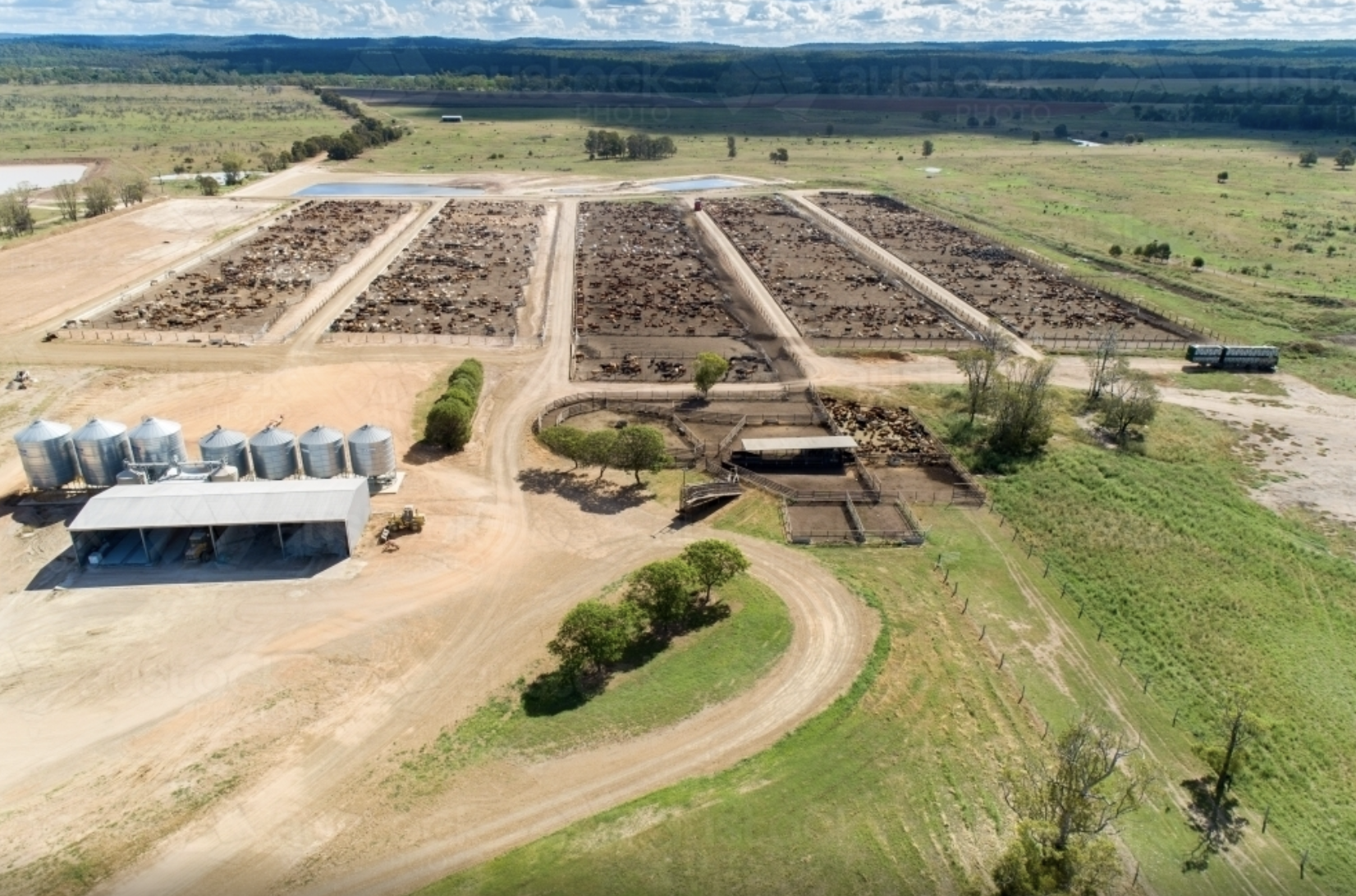
Agricultural Noise Monitoring: When and Why Farms Need It
Agricultural operations are increasingly required to monitor and manage noise outputs. This guide explains when farms need noise monitoring, how compliance works in Australia, and what environmental noise monitoring systems measure.
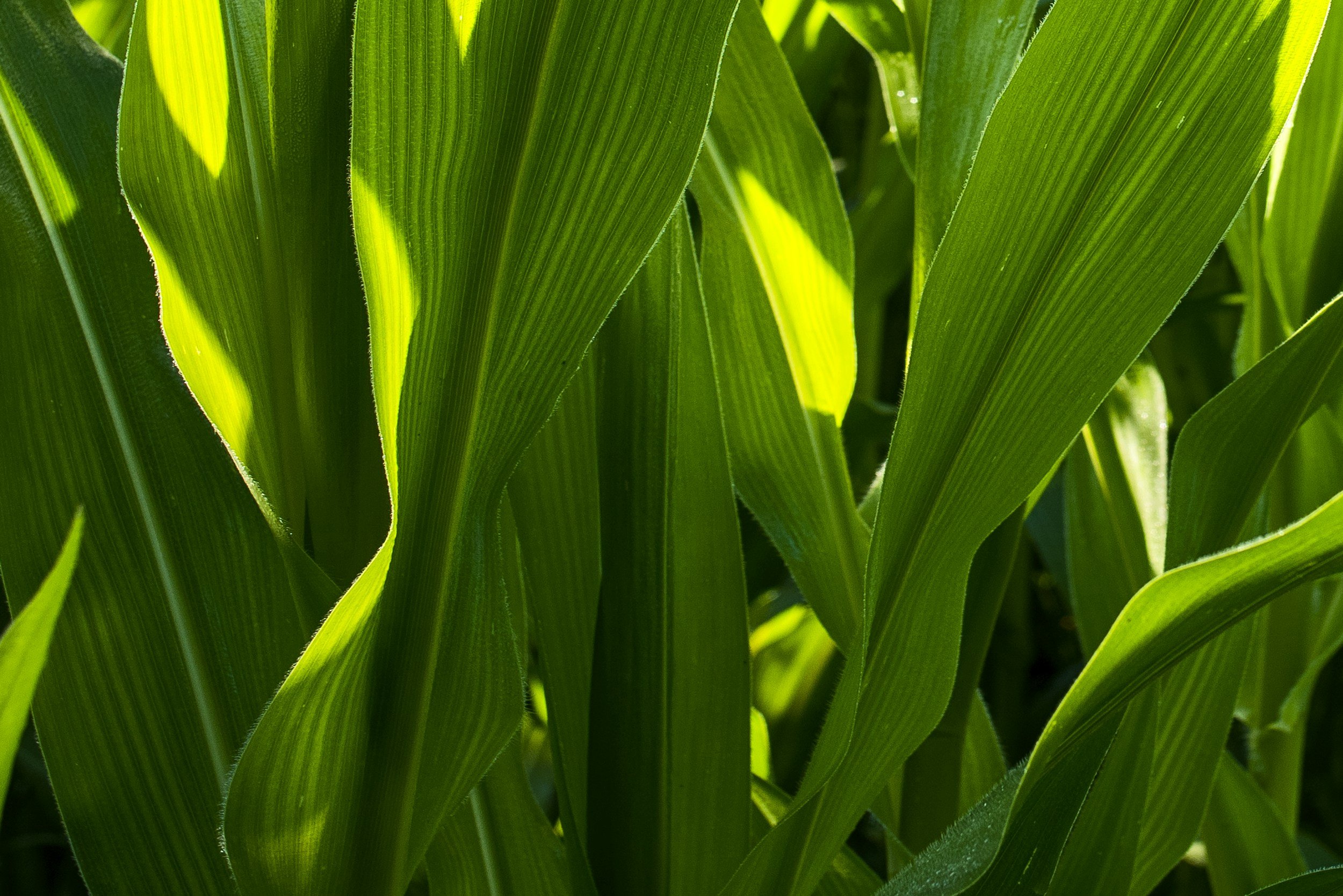
Crop Disease Risk Monitoring: Using Weather Data to Predict Fungal Outbreaks
Weather conditions are the primary driver of fungal disease outbreaks in crops. This guide explains how disease risk monitoring systems use weather data to predict infection events and help farmers respond before outbreaks take hold.
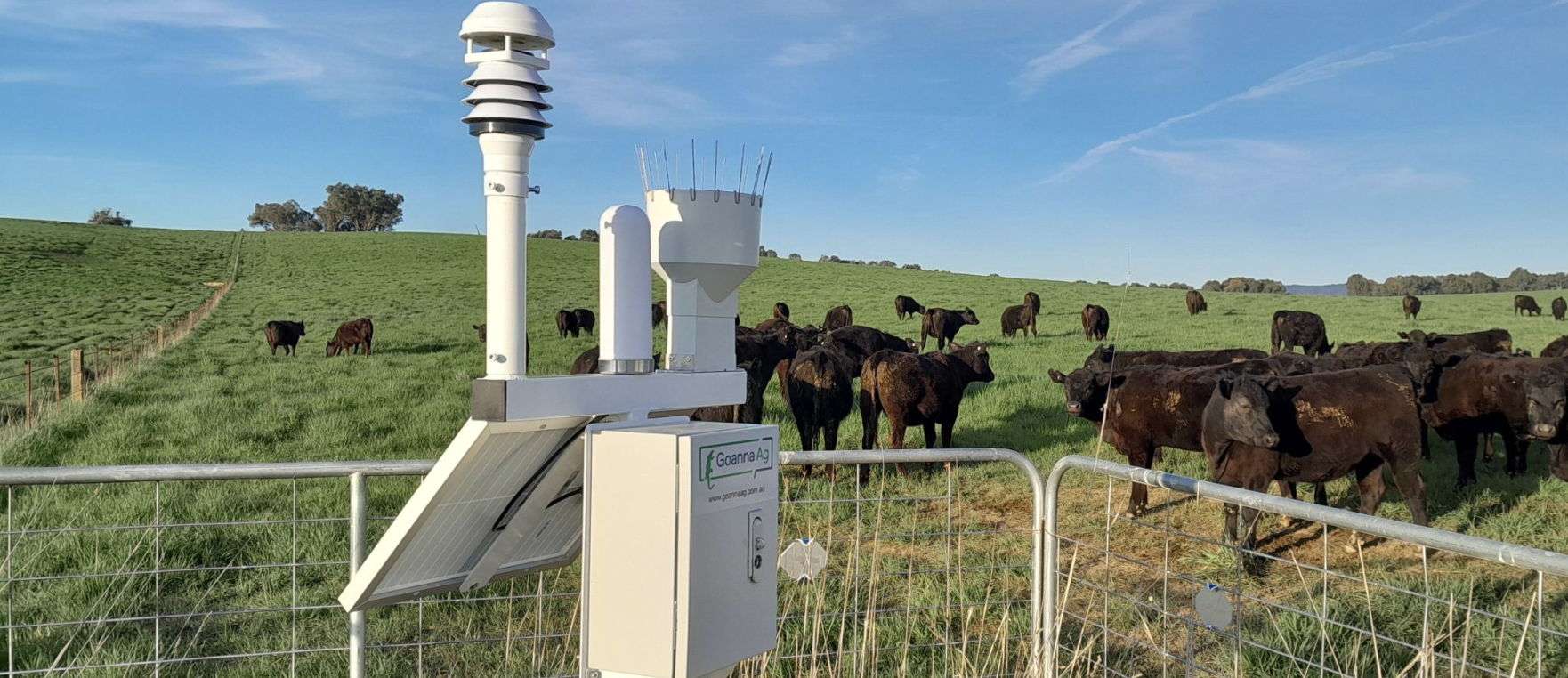
How Many Weather Stations Does My Farm Need?
The number of weather stations a farm needs depends on property size, terrain variability, crop type and what decisions the data will support. This guide explains how to plan a monitoring network that matches your operation.
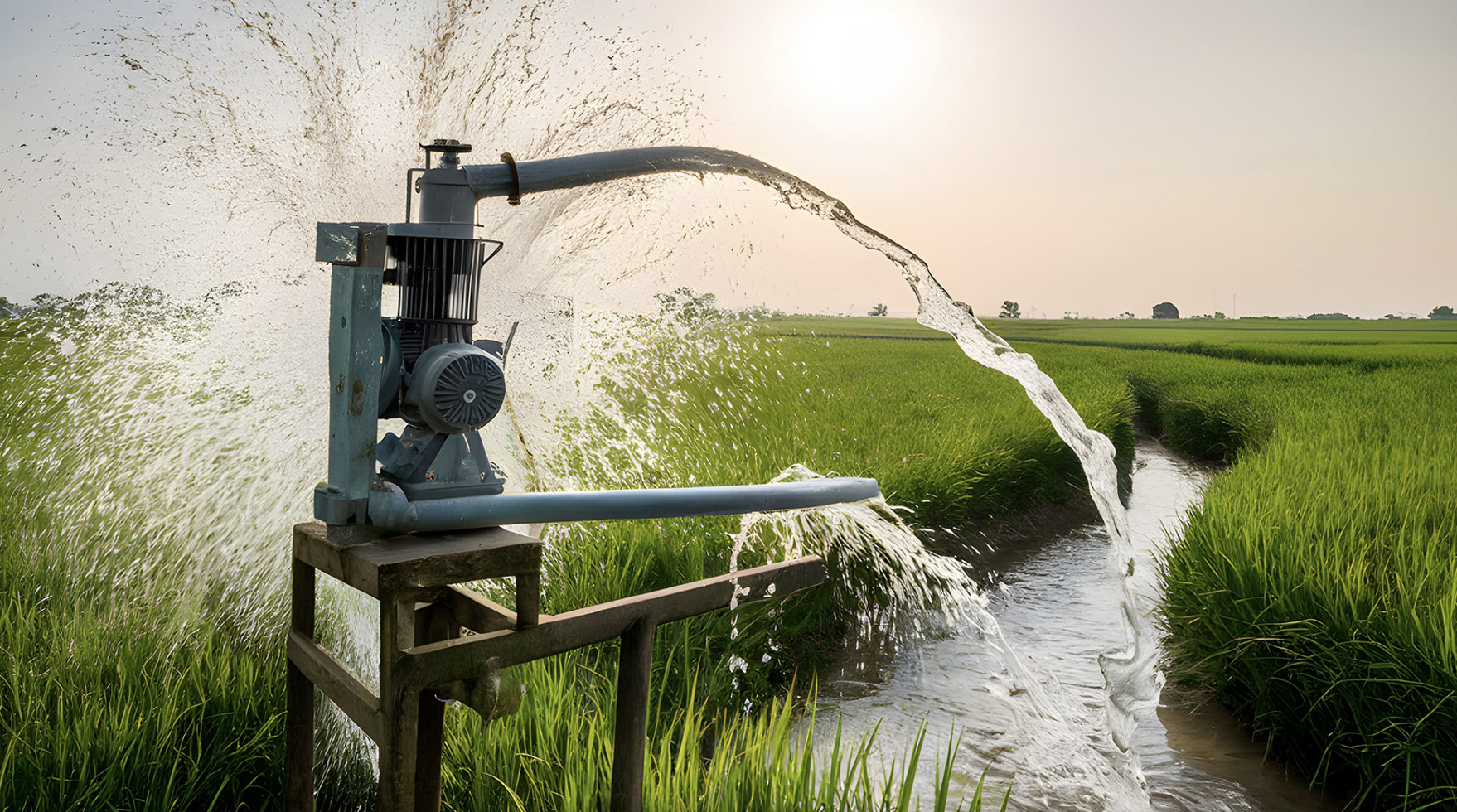
Water Quality Monitoring for Irrigation: What Sensors Do Farmers Need?
Irrigation water quality directly affects crop health, soil condition and infrastructure longevity. This guide explains what sensors farmers need and how water quality monitoring systems work in practice.
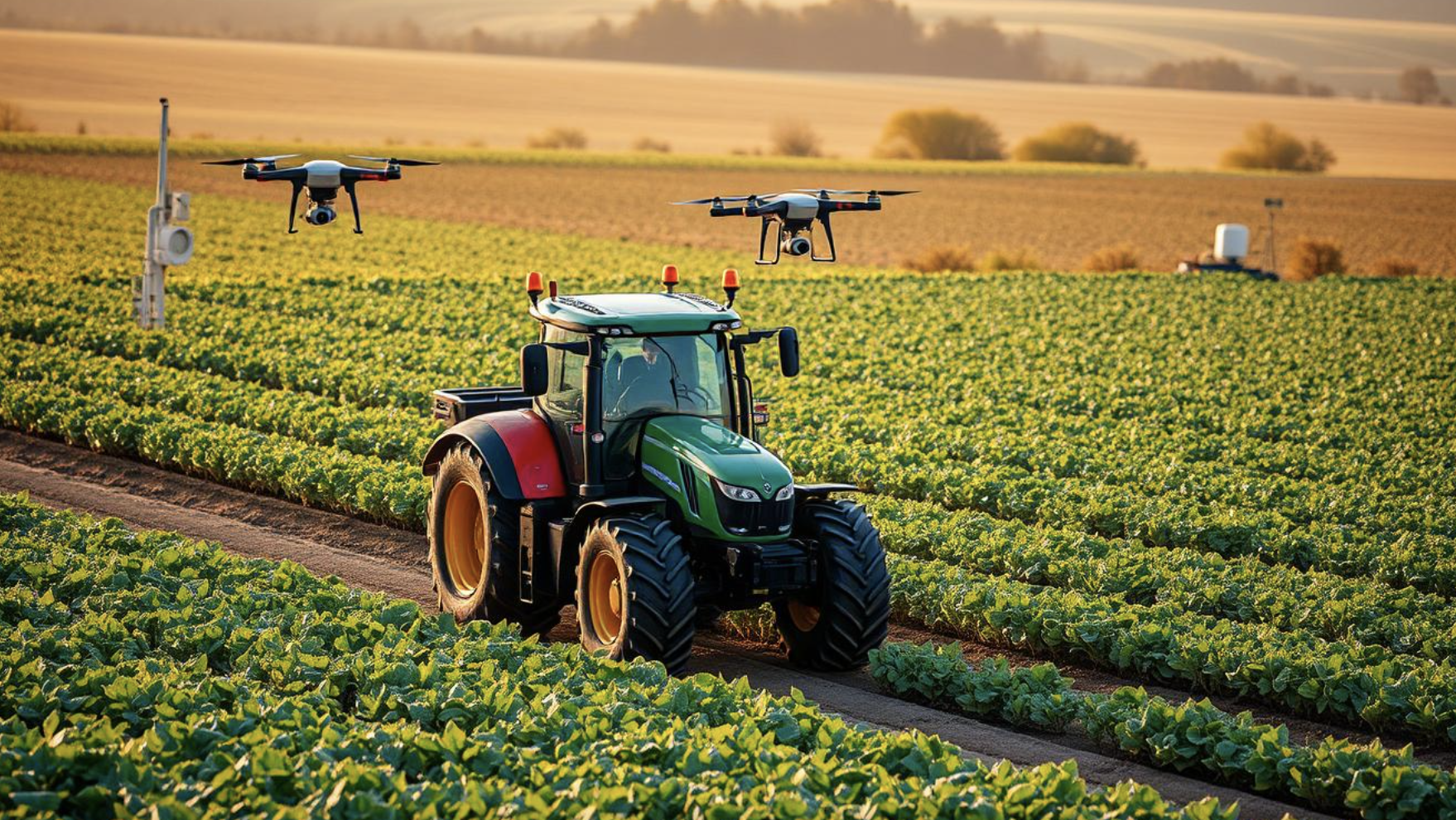
How Agricultural Weather Stations Connect to Farm Management Software
Agricultural weather stations can connect directly to farm management software platforms, feeding real-time environmental data into irrigation scheduling, spray planning and crop records. This guide explains how integration works and what to look for.
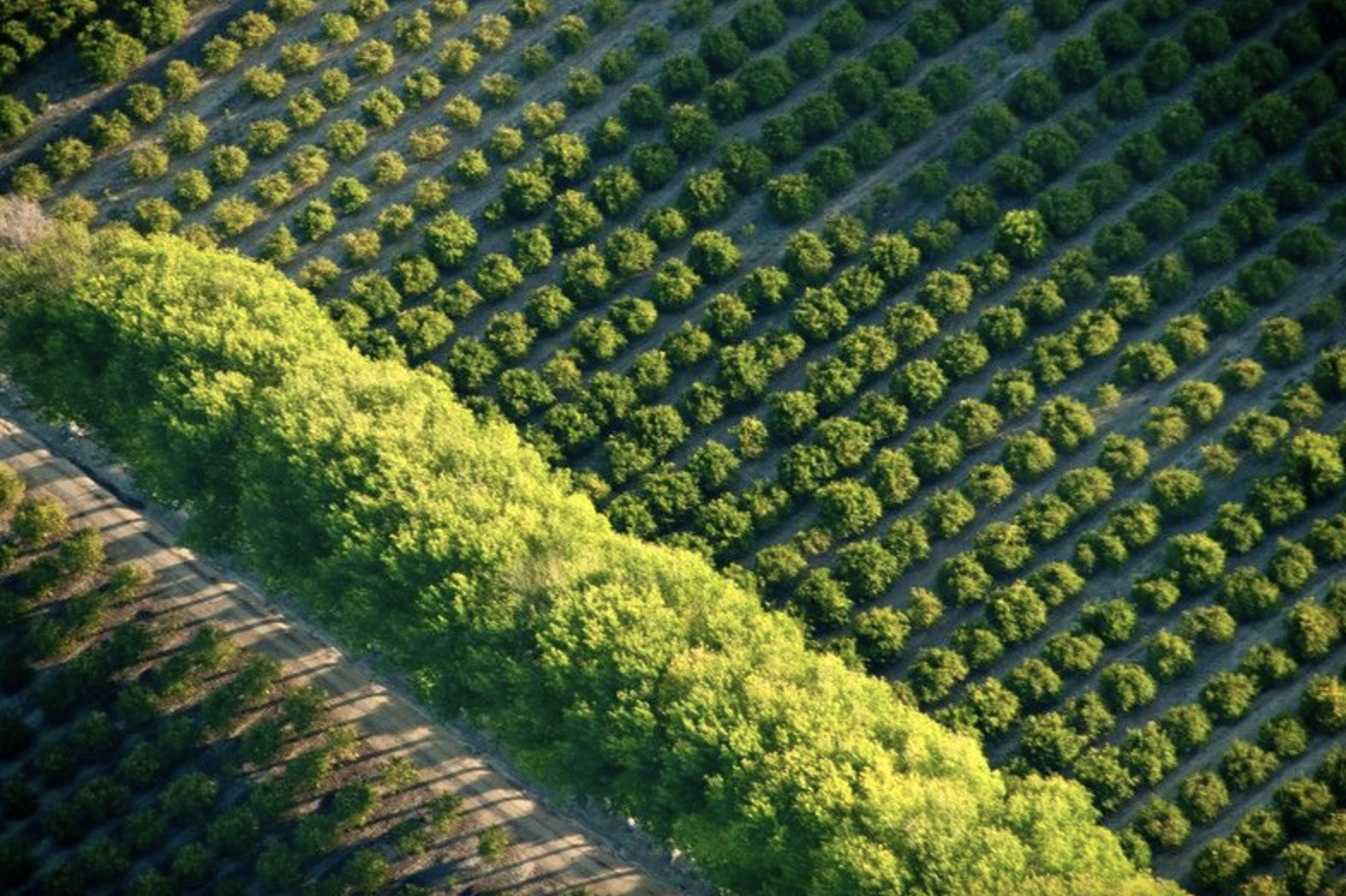
Canopy Temperature Monitoring and Crop Stress Detection
Canopy temperature monitoring allows farmers to detect crop water stress earlier than traditional methods. This guide explains how the technology works and where it delivers the greatest value.
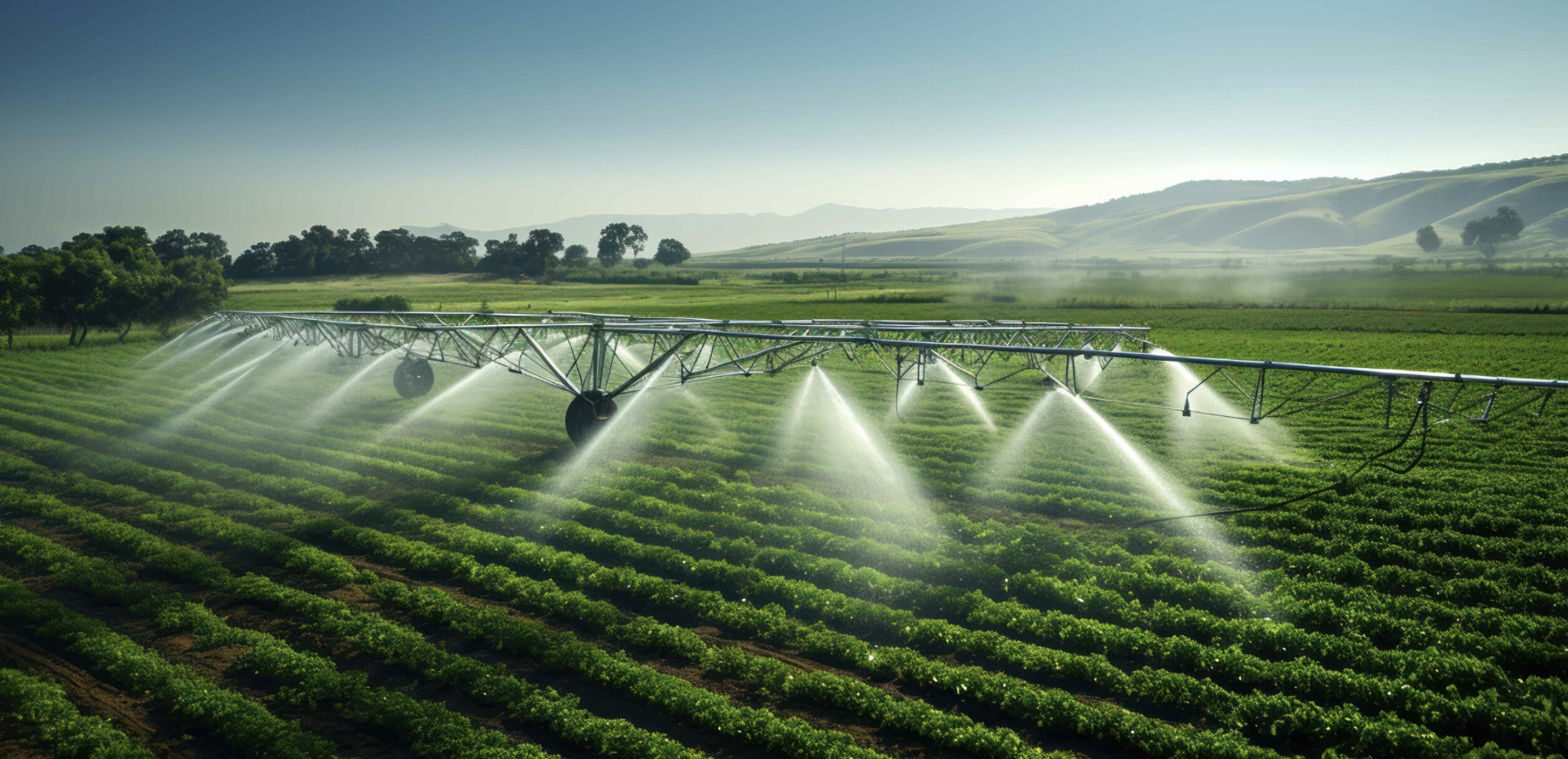
Evapotranspiration vs Soil Moisture Monitoring: Which Should You Use for Irrigation Scheduling?
Evapotranspiration and soil moisture monitoring both support irrigation scheduling but work in different ways. This guide explains the strengths of each approach and how combining them delivers the best results.
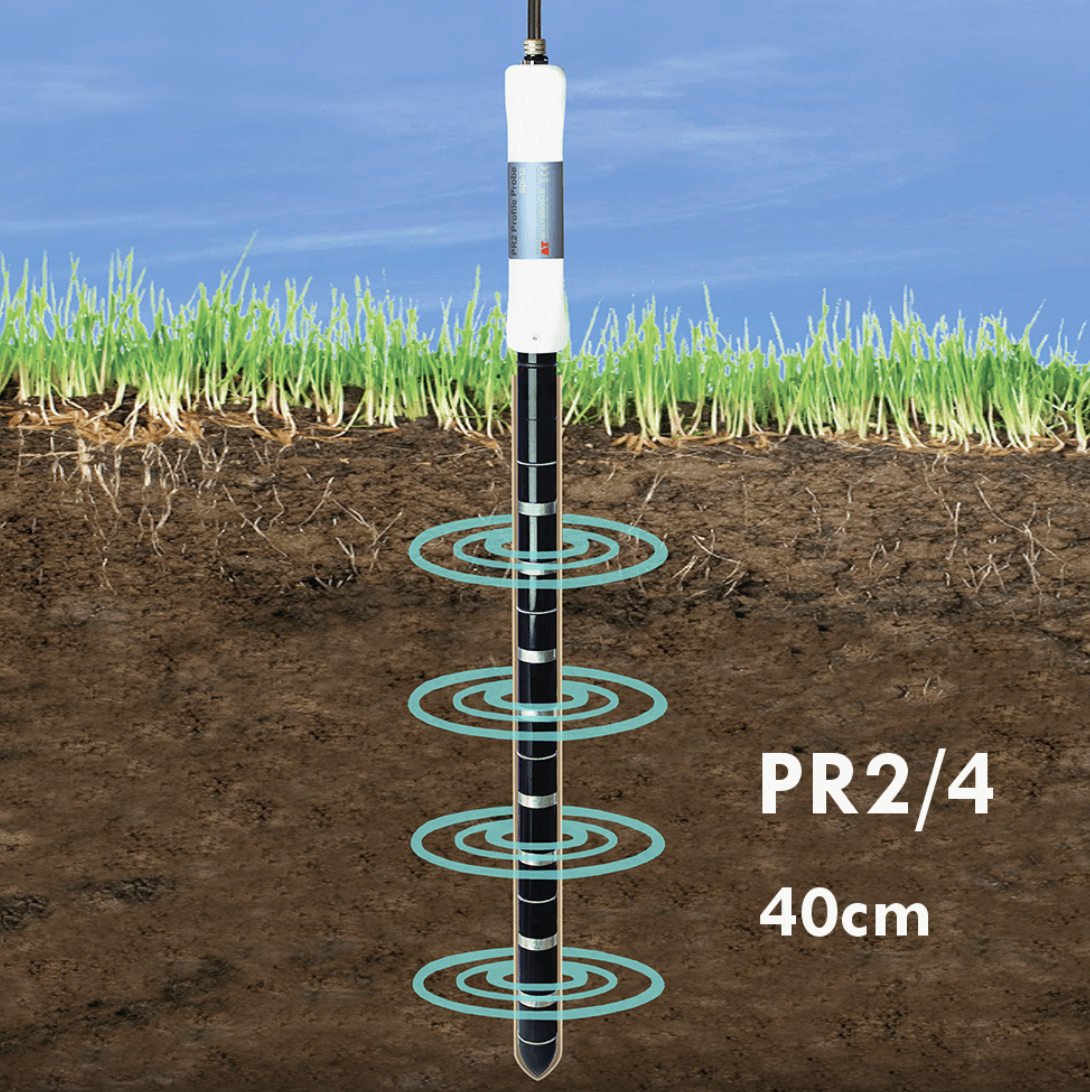
How to Interpret Soil Moisture Data: A Practical Guide for Irrigators
Understanding how to read soil moisture sensor data is essential for getting value from monitoring systems. This guide explains what the numbers mean and how to use them to make better irrigation decisions.
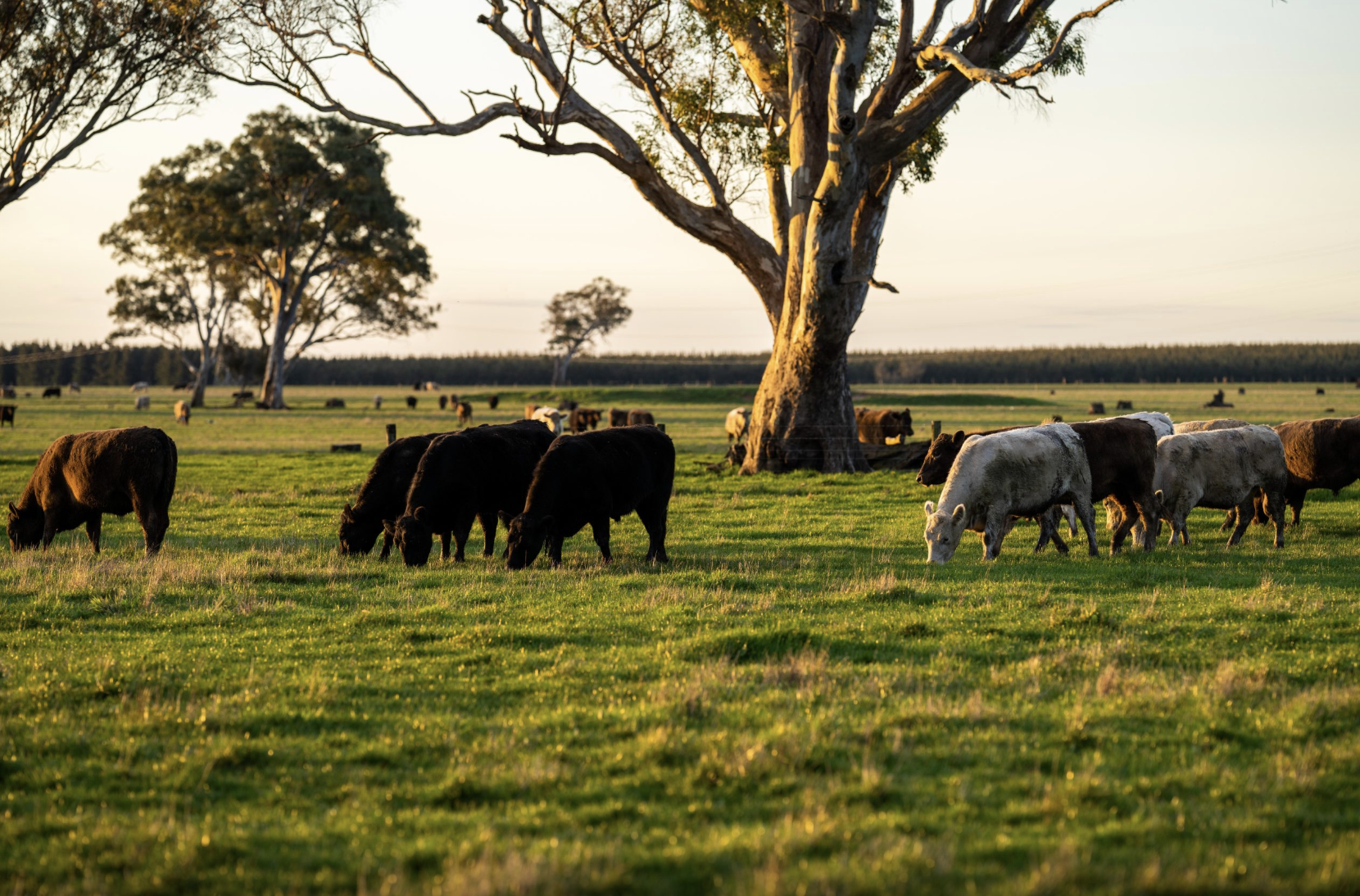
Weather Stations for Livestock Farms: Monitoring Heat Stress, Water and Pasture Conditions
Weather stations help livestock farmers monitor heat stress conditions, track water infrastructure and manage pasture across large rural properties using real-time environmental data.
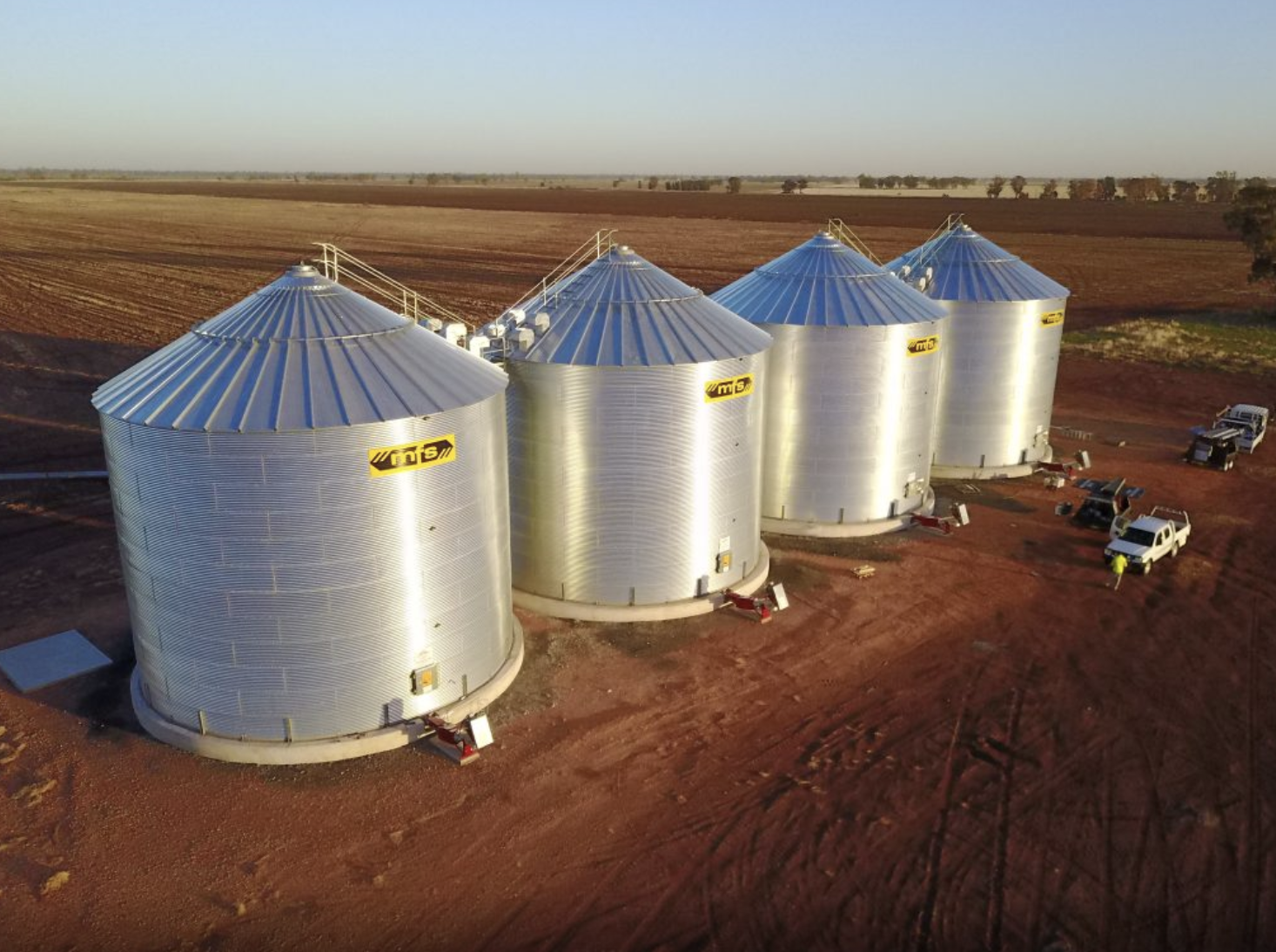
Grain Storage Monitoring: Temperature and Humidity Sensors Explained
Grain storage monitoring systems track temperature and humidity inside silos and sheds to detect spoilage risks, guide aeration management and protect grain quality throughout the storage period.
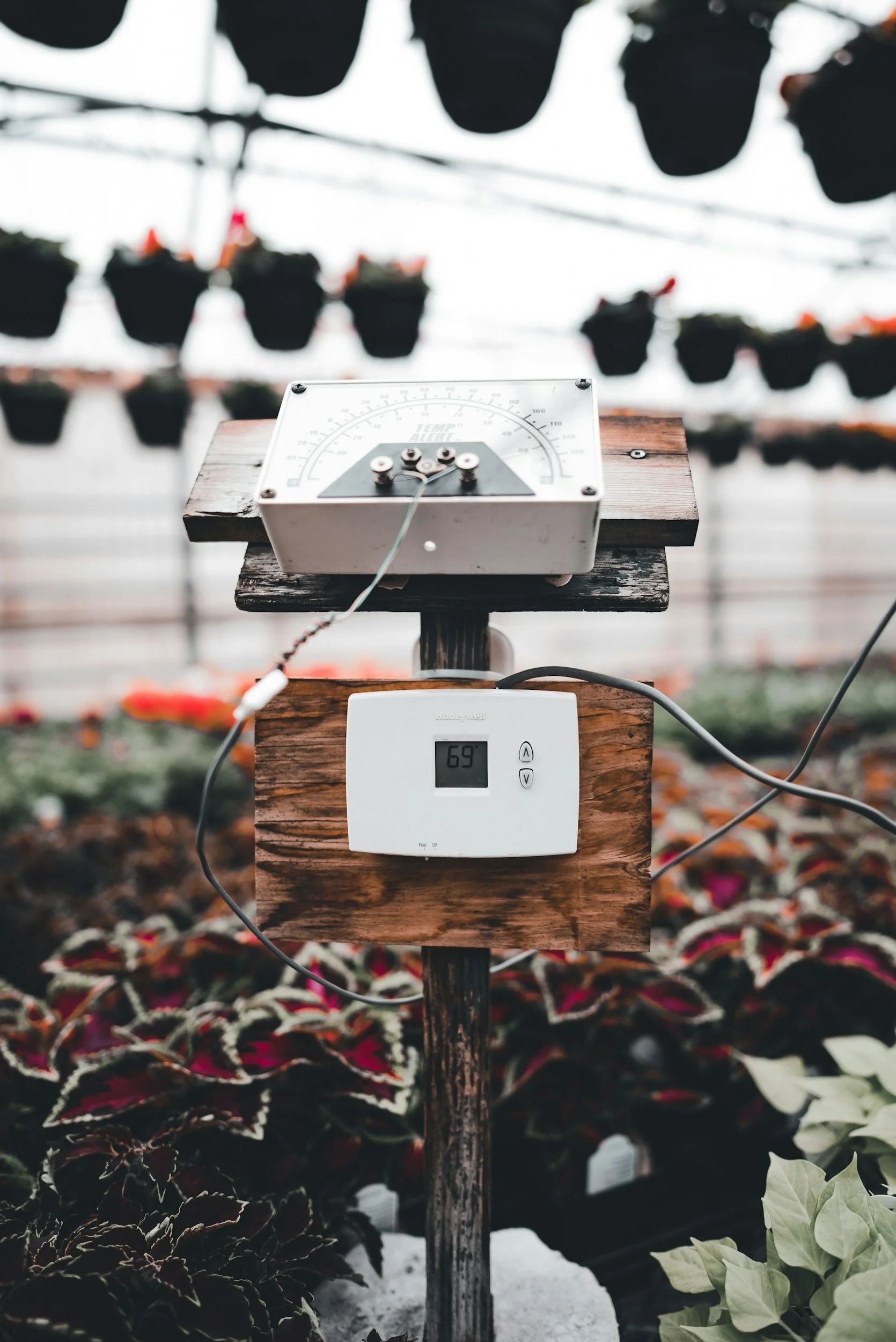
Understanding SDI-12 Networks
Modern agricultural monitoring systems often rely on large numbers of environmental sensors operating in remote outdoor conditions. Soil moisture probes, weather stations, water quality sensors and environmental monitoring devices all need to communicate reliably while consuming very little power.
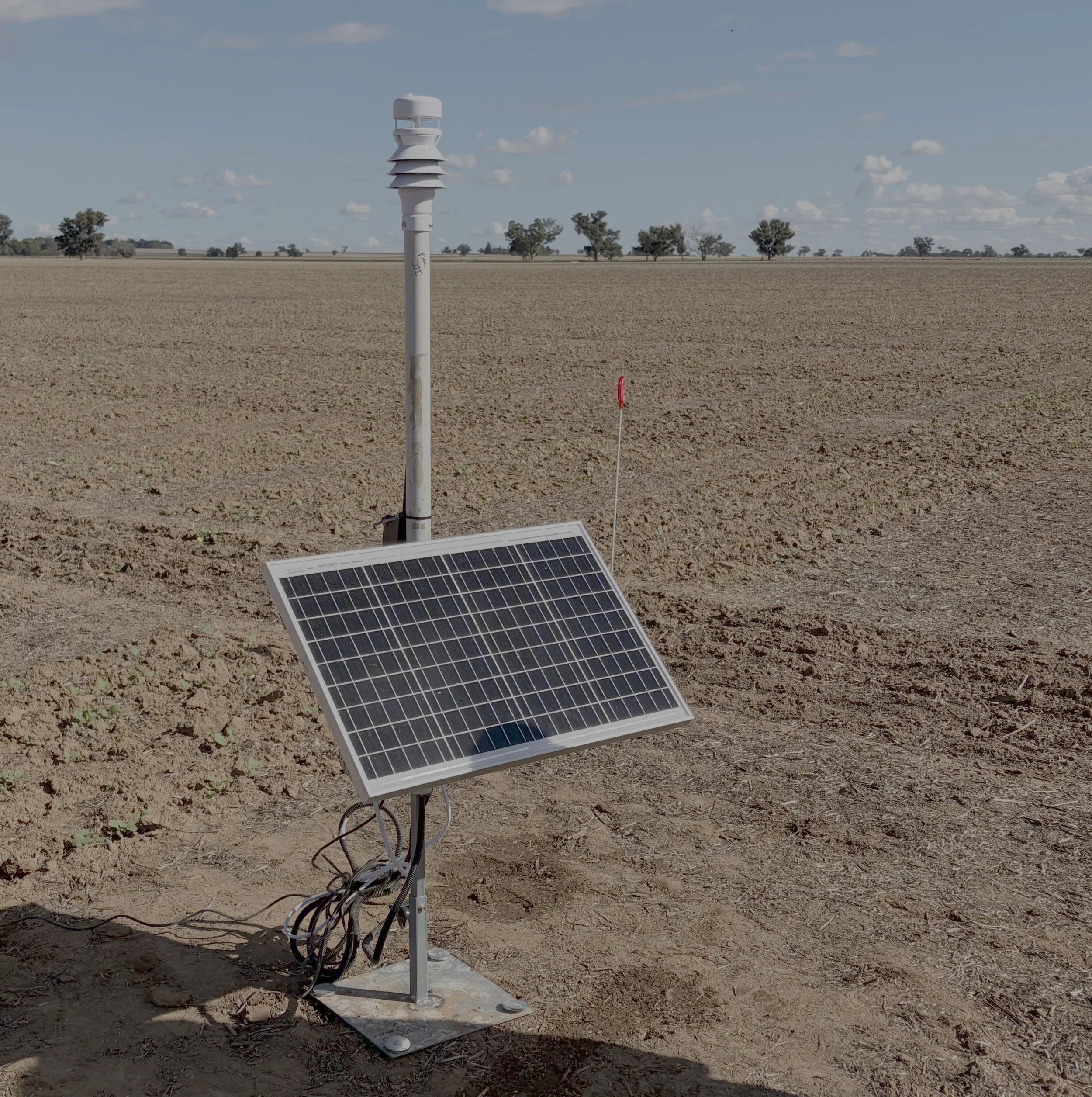
How Farm Telemetry Systems Work
Telemetry systems are becoming an increasingly important part of modern agriculture. As farms adopt more connected technology, growers are now monitoring weather stations, pumps, irrigation systems, soil moisture sensors and water infrastructure remotely in real time rather than relying entirely on manual inspection.
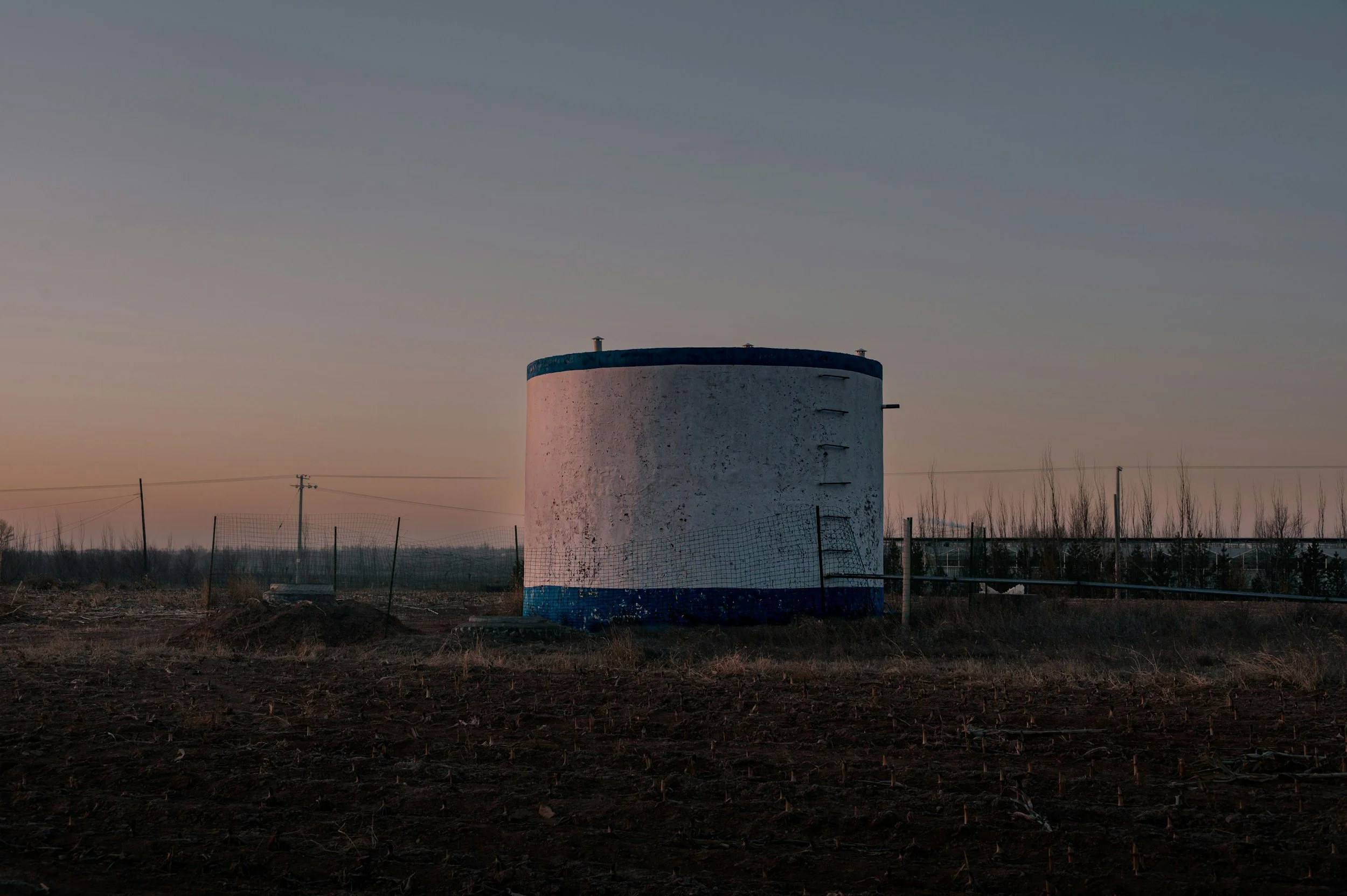
Remote Water Tank Monitoring for Farms
Water infrastructure is one of the most critical parts of many farming operations, particularly across remote or large rural properties where tanks may supply livestock, irrigation systems, spray equipment or household infrastructure over long distances.
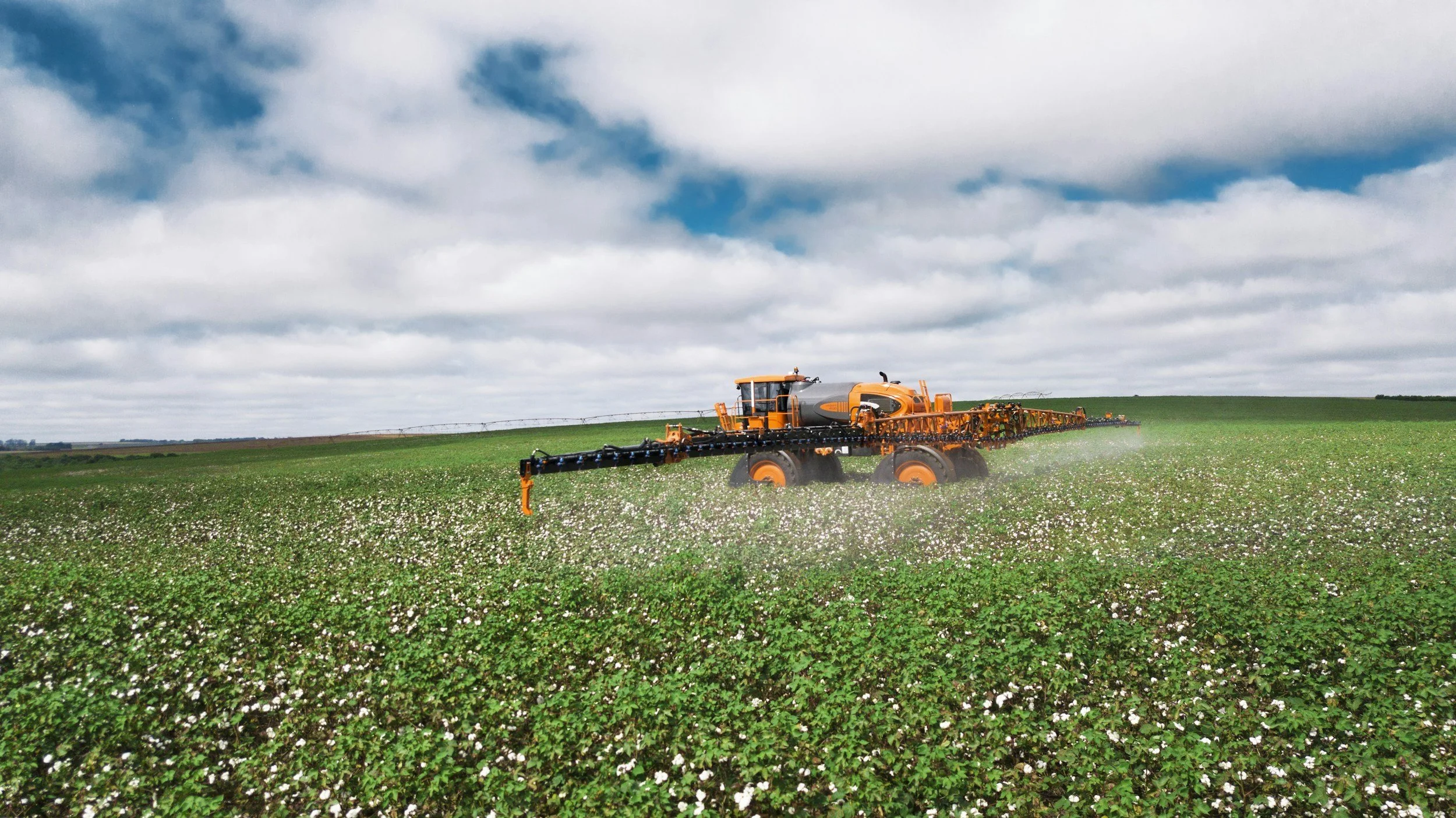
What Is Delta T and Why Does It Matter for Spraying?
Delta T has become one of the most commonly used indicators for assessing spraying conditions in modern agriculture. While many growers are familiar with monitoring wind speed during spraying operations, Delta T provides additional insight into how environmental conditions may affect droplet evaporation and spray performance after the chemical leaves the nozzle.
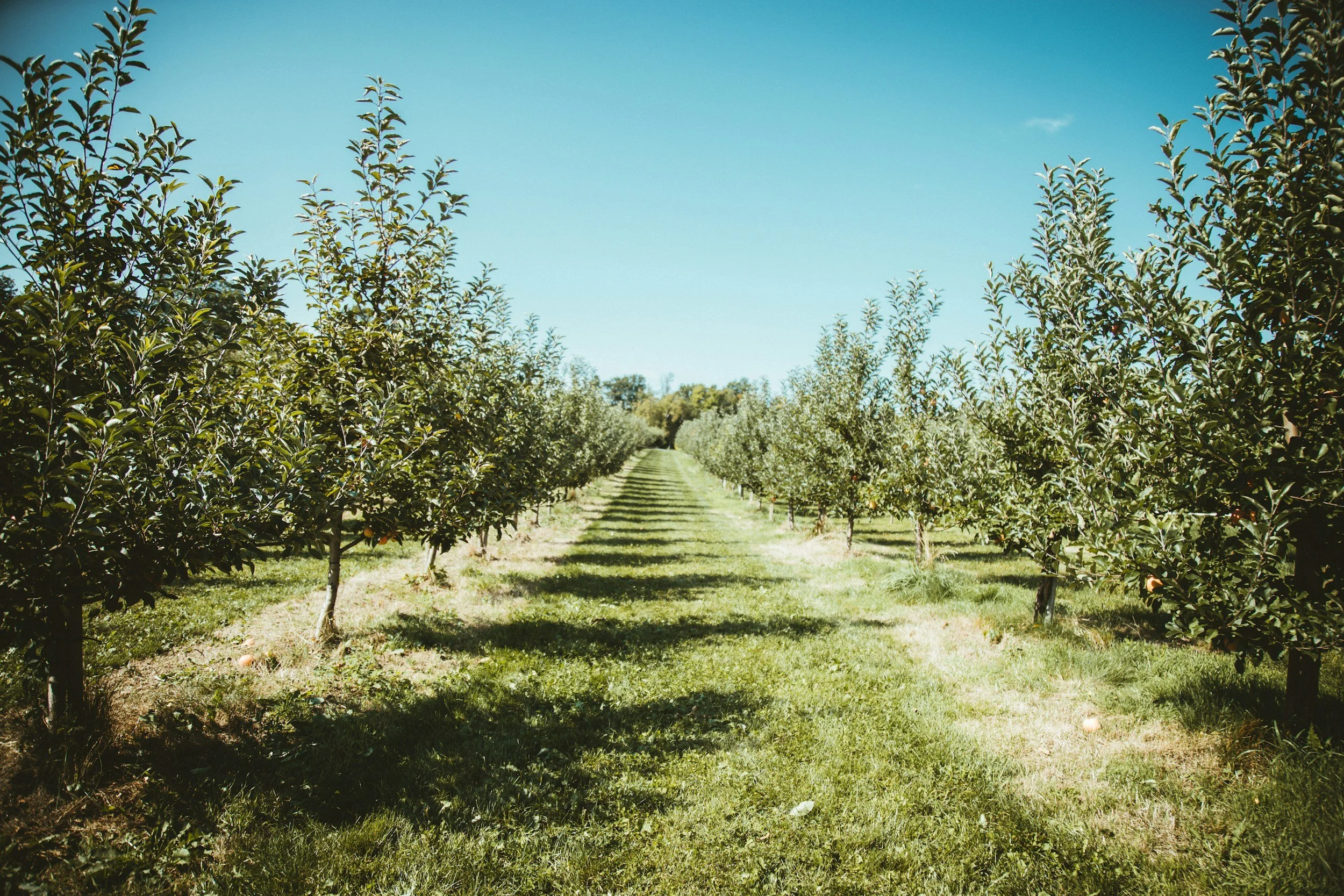
Weather Stations for Orchards
Orchards often experience highly localised environmental conditions that can vary significantly across relatively small areas. Temperature, humidity, wind movement and moisture levels are all influenced by tree canopy structure, elevation changes and surrounding vegetation. Because of this, regional weather forecasts frequently fail to represent the actual conditions occurring within the orchard itself.
Farm Weather Station Installation Guide
A weather station can only provide reliable data if it is installed correctly. Even high-quality monitoring equipment may produce inaccurate or inconsistent readings when sensors are poorly positioned or installed in unsuitable environments.
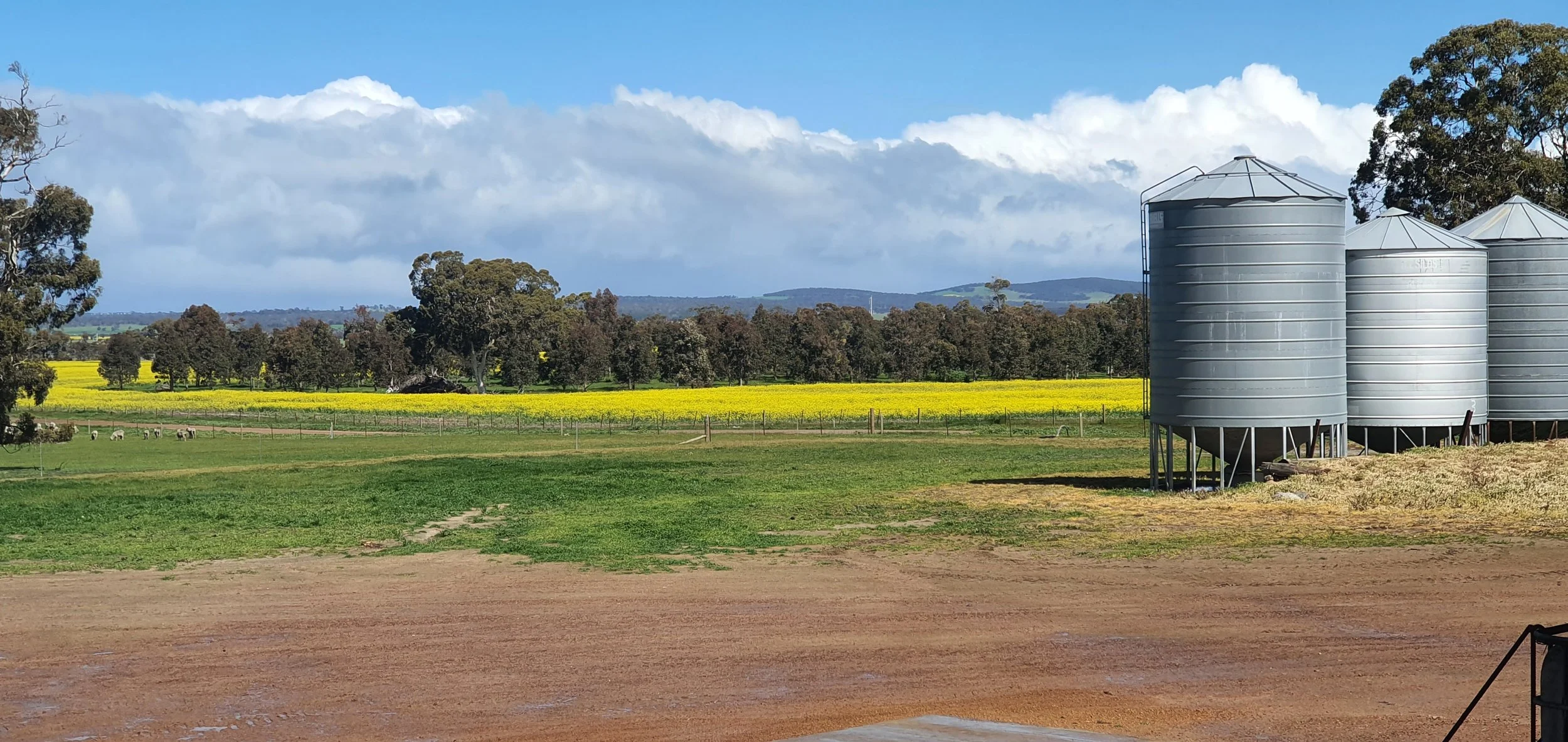
Weather Stations for Broadacre Farming
Broadacre farming has always been heavily influenced by weather conditions, but the role of environmental monitoring has changed significantly over the past decade. Increasing input costs, tighter spray windows and growing pressure to improve operational efficiency have made accurate local weather data far more valuable than it once was.
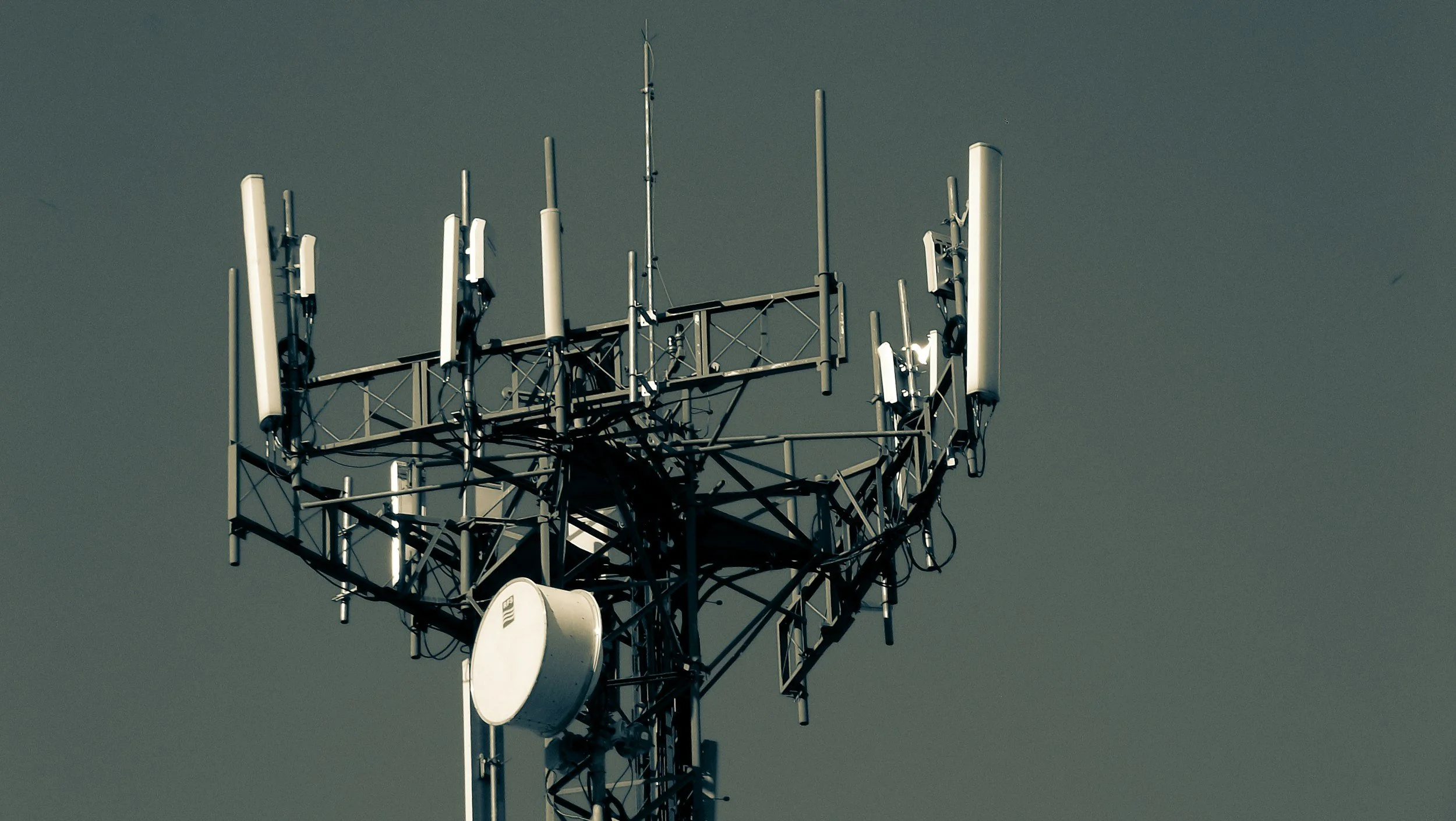
LoRaWAN vs Cellular Farm Monitoring Systems
Remote monitoring systems are becoming increasingly common across modern farming operations. Weather stations, soil moisture probes, tank level sensors and pump monitoring systems now allow growers to monitor environmental conditions and infrastructure remotely in real time. As farms continue adopting precision agriculture technologies, reliable connectivity has become one of the most important parts of any monitoring system.
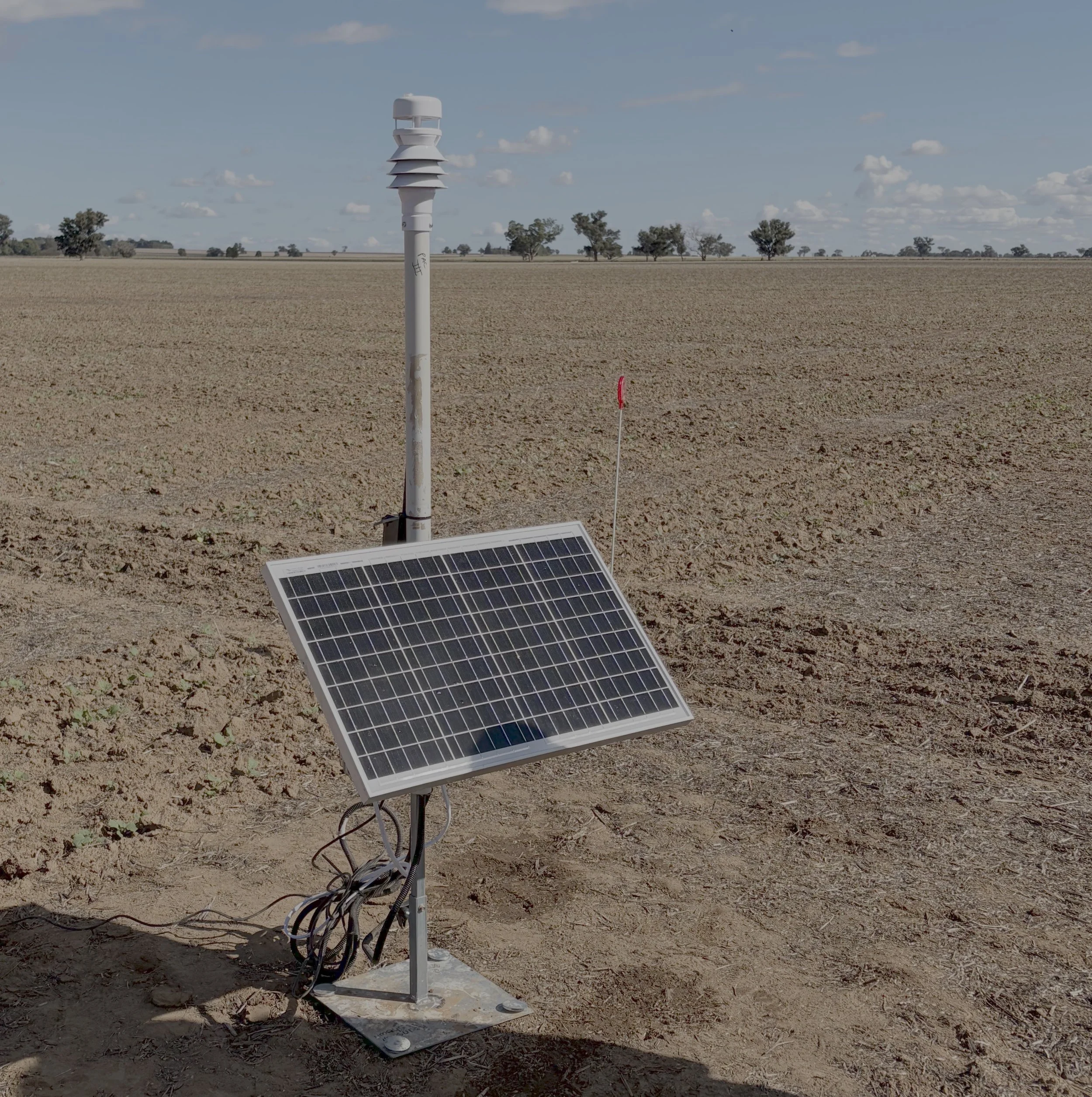
Best Placement for a Farm Weather Station
A weather station is only as accurate as the environment surrounding it. Even high-quality sensors can produce misleading data if they are installed in poor locations or too close to surrounding obstructions. On farms, this can create problems ranging from inaccurate rainfall measurements through to unreliable wind data during spraying operations.
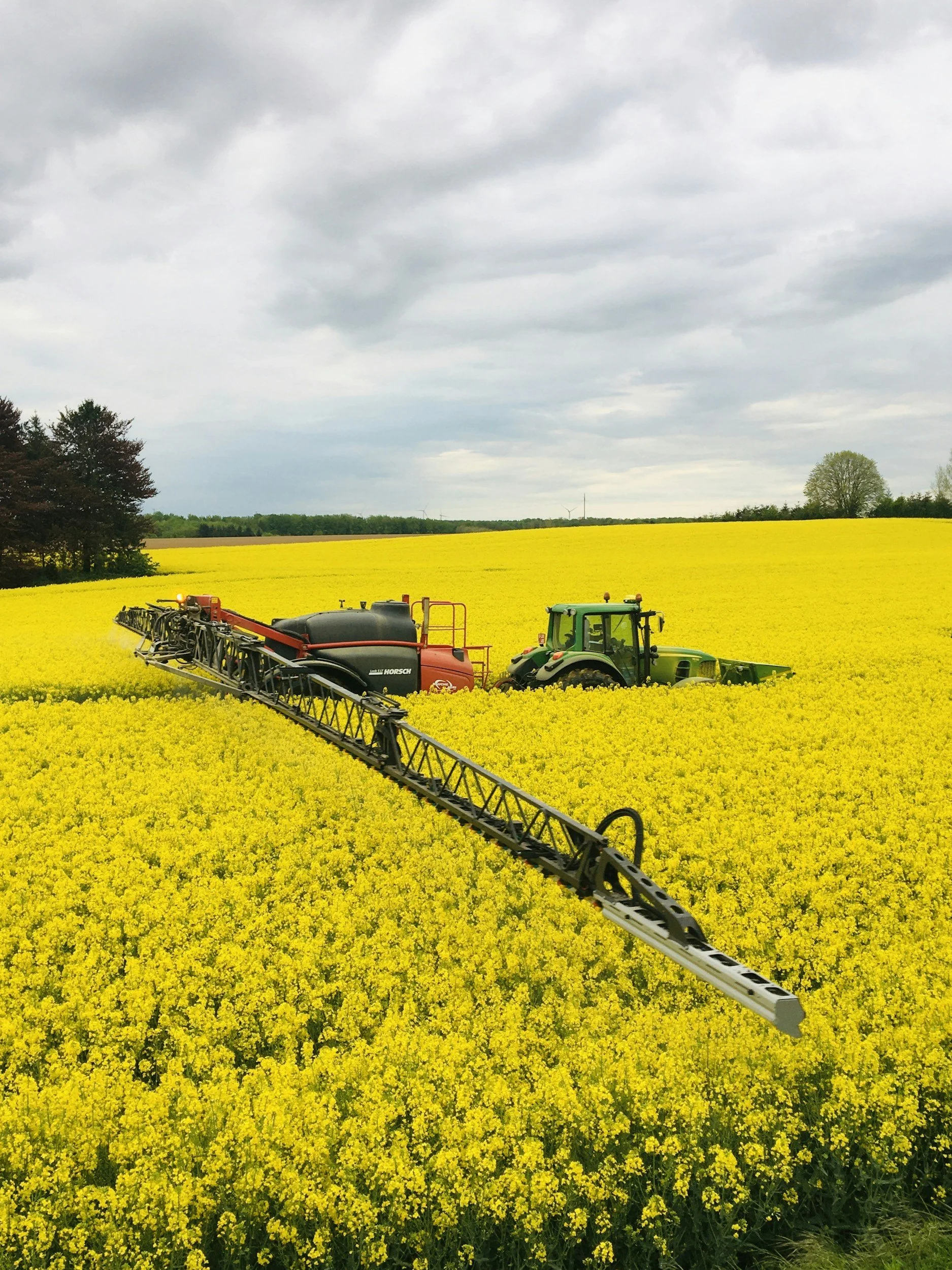
Weather Monitoring for Spray Drift Prevention
Spray drift continues to be one of the most important operational risks associated with agricultural spraying. Even with modern spraying equipment and careful chemical selection, changing environmental conditions can significantly affect where droplets travel once they leave the nozzle. In some situations, this simply reduces spray effectiveness. In others, it can result in off-target movement that affects neighbouring crops, waterways, roads or surrounding properties.